Red, blue, and gold light waves curving across a dark stage

ADAM BOYD | SPEAKER · AUTHOR · PERFORMANCE TRAINER

Soleful Training shield logo

Soleful Training

Team Development & Leadership Training That Improves Accountability and Performance

Build a team that takes ownership, follows through, and performs more consistently. It starts with 60 minutes of practical, actionable training.

Through powerful keynotes and hands-on training, Adam Boyd introduces the proprietary Soleful Performance System™, an easy-to-follow method that helps people strengthen their mindset, manage their physiological responses, and improve recovery.

From a 60-minute keynote to an immersive team workshop, audiences leave with practical tools they can use immediately.

Two Ways to Bring Better Performance to Your Organization

Keynote Speaking

Challenge the Way Your Audience Thinks

A powerful 45 to 60-minute experience that challenges accepted standards, sparks honest reflection, and gives audiences a reason to rethink what they've allowed to become normal.

When Did This Become Okay?

The Hidden Cost of Low Standards

Life in 100 Miles

Comfort Has Consequences
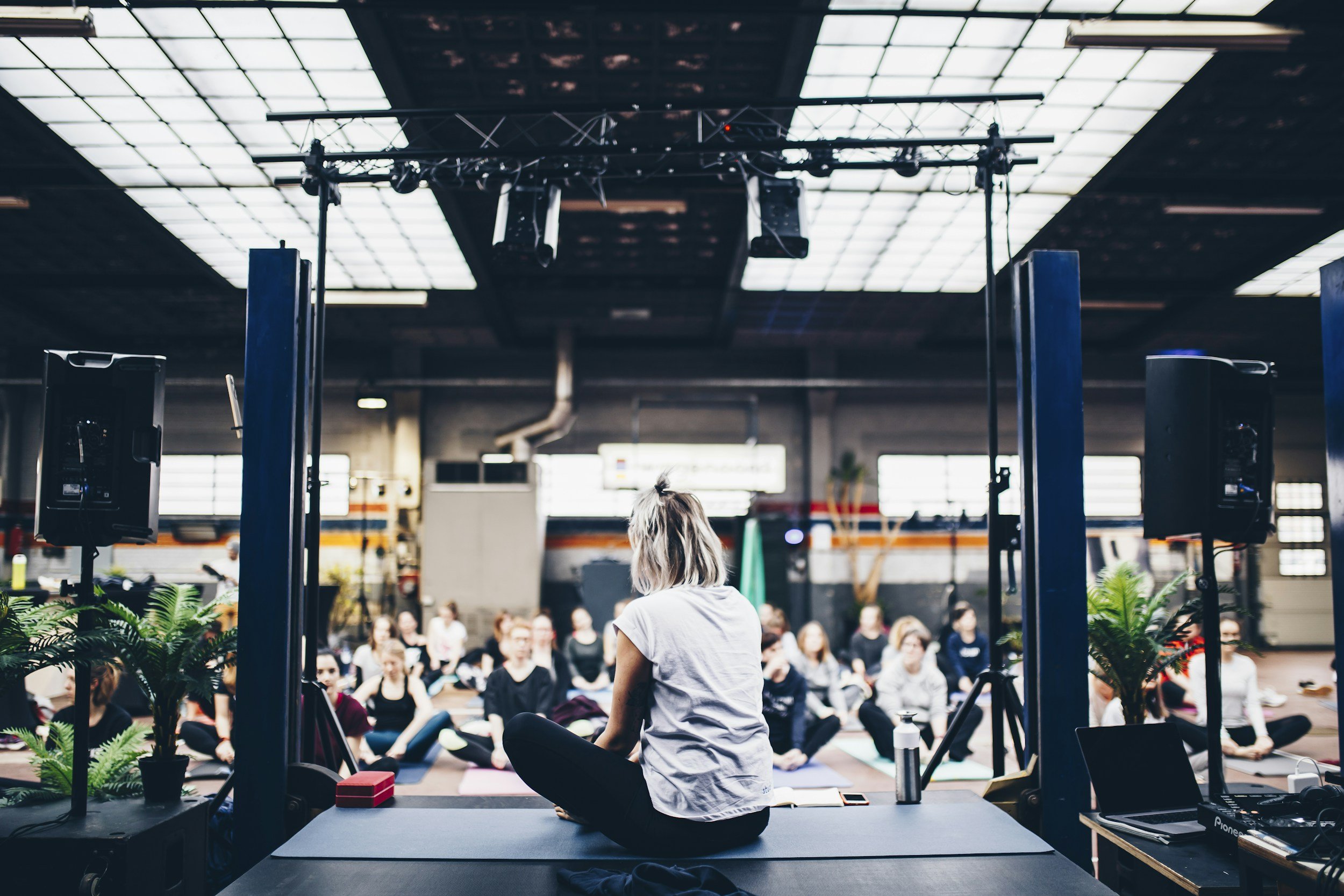
Team Training & Workshops

Give Your Team Skills They'll Keep Using

Hands-on experiences built around the Soleful Performance System™. Your team practices techniques to manage stress responses, strengthen mental skills, and improve recovery.

OUR PROPRIETARY THREE-STEP METHOD

Training That Gives Your People Something to Use After They Leave.

The Soleful Performance System™ gives people a practical way to improve how they think, respond, and recover. It's easy to understand, simple to practice, and designed for real life, not just the training room.

  1. Pillar 1

    Mental & Situational Mastery

    Learn to recognize the patterns, distractions, and automatic reactions that influence decisions and daily performance.

  2. Pillar 2

    Control the Physiology

    Learn practical breathing, movement, and mobility techniques to manage your body's response to stress, reduce physical tension, and improve how you move and perform throughout the day.

  3. Pillar 3

    Optimize Recovery

    Build practical habits around sleep, recovery, and daily routines that support more consistent performance over time.

The difference?

Your people don't just hear what they should do differently. In our hands-on training, they practice how to do it and leave with a repeatable method they can use on their own.

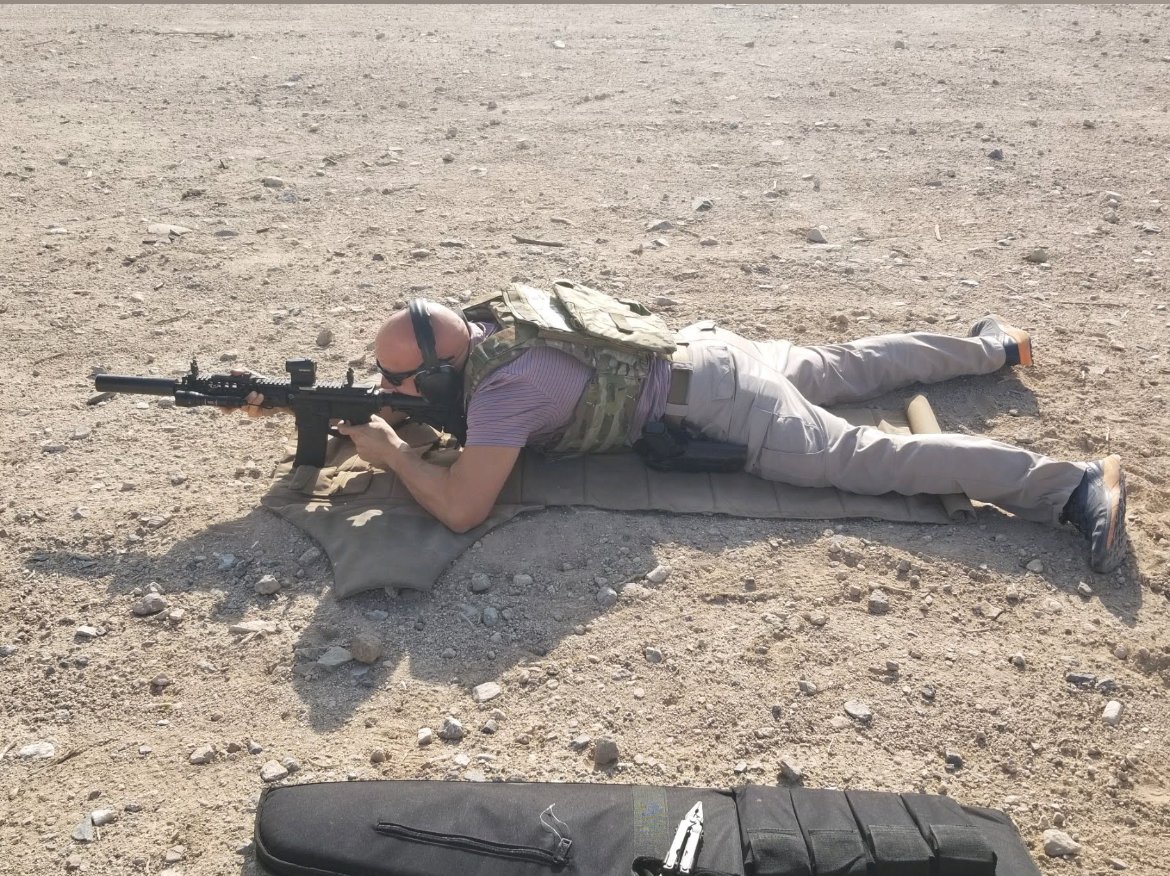
Adam Boyd in tactical gear during outdoor training

MEET ADAM BOYD

Built Through Experience. Designed for Everyday Performance.

Adam Boyd's approach to performance wasn't developed in a conference room.

It was shaped by over a decade in law enforcement, including service as a SWAT operator and detective, along with the physical and mental demands of completing 100-mile endurance races.

Today, he combines that real-world experience with specialized education in resilience, performance breathing, strength and conditioning, and recovery to help organizations develop people who think better, move better, and perform more consistently.

  • Former SWAT Operator

    Specialized tactical experience

  • FBI National Academy

    Resilience instructor

  • 100-Mile Finisher

    Ultra-endurance athlete

  • Published Author

    Leadership and performance

Books by Adam Boyd

When Did This Become Okay?

The Hidden Cost of Low Standards

Life in 100 Miles

Comfort Has Consequences
The experience is real. The methods are practical. And the goal is simple: give people skills they can use long after the event ends.

Meet Adam Boyd

EXPERIENCE & CREDIBILITY

Trusted to Train. Invited to Speak.

From professional training programs to conferences and community events, Adam Boyd has worked with organizations and audiences across the country.

A Selection of Organizations We've Trained

  • Cleveland Police
  • U.S. Air Force
  • Pinal County Sheriff's Office
  • Pima College Police
  • Fullerton Police
  • Gila River SWAT

Selected Speaking Engagements

  • First Responder Conferences
  • MOM Army
  • MomCo
  • Stanford Faculty Club
  • Santa Monica Flyers

And many more organizations, teams, and audiences.

REAL FEEDBACK. REAL EXPERIENCES.

What Happens After the Training Matters Most.

A great presentation can inspire people for an hour. The real value comes from what they understand, practice, and continue using afterward.

That's what we work to deliver.

“The physical resilience modules you taught were implemented into our scheduled training regime”

Master Sergeant Kameron Clark

412th Security Forces Squadron, U.S. Air Force

“the training was well worth the investment.”

Tamatha Villar

Acting Assistant Chief of Police, Gila River Police Department

“One of the best trainings I have ever been to.”

Detective Kap

Fullerton Police Department

“Great content, skills and tools.”

“Enjoyed it! Never got bored and his energy was great!”

Tom

Premier First Responders

Open desert landscape at first light

YOUR NEXT STEP

Your Team Has More Potential. Give Them the Tools to Use It.

Whether you're planning a conference, developing your leadership team, or looking for a hands-on experience your people will remember, we'll help you find the right fit.

Get Your Free Team Performance Scorecard

See where your team may have opportunities to improve.

Schedule a Free Consultation

Explore a keynote or training experience for your organization.

Answers

Frequently Asked Questions

Short answers first, then the practical detail.

How can organizations help first responders manage stress?

Treat stress management as a physical skill with regular practice, not as an annual lecture.

First responders need fast, reliable ways to control adrenaline and heart rate on call, plus a repeatable routine to downshift when the shift ends. Responders learn paced breathing drills that settle heart rate in a couple of minutes, paired with sleep and light routines built for rotating rosters.

This is taught through Pillar 1, Situational and Mental Mastery, and Pillar 2, Control the Physiology. Training is education and skill building, not clinical treatment. Read more on the First Responder Training page.

How can employers help employees manage stress at work?

Give employees practical, hands-on tools they can use during the workday, and make room in the schedule to use them.

Information alone does not change habits. People need short physical skills that reset their state before a tense meeting or after a hard conversation. Teams practice a two-minute exhale pattern, simple desk mobility drills, and an end-of-day closeout routine that helps them disconnect at home.

This is built on Pillar 2, Control the Physiology, and Pillar 3, Optimize Energy and Recovery. Workload, staffing, and leadership shape workplace stress too, and those belong to management. Explore options on the Corporate Wellness page.

What employee wellness activities work for small businesses?

Short, interactive group workshops where the whole team practices the same skills together.

Small teams do not need a wellness platform. They need one or two useful sessions where everyone tests real stress and energy tools in the room. A 60 to 90 minute workshop lets people run breath drills together, compare what they felt, and agree on shared reset habits for busy weeks.

All three pillars show up here, with the most attention on real connection and energy management. See workshop formats on the Tucson Business Workshops page.

What should a Tucson business look for in an employee wellness workshop?

Look for active practice in the room rather than slides, with content adapted to Southern Arizona working conditions.

Choose training that accounts for your real environment, including heat, field work, early starts, or high-stress customer contact. Sessions cover hydration strategy, midday heat recovery, and quick resets that work on a job site or in a busy office.

That work sits in Pillar 2, Control the Physiology, and Pillar 3, Optimize Energy and Recovery. Learn more on the Tucson Business Workshops page.